
How to Maintain a Healthy Landscape
A great-looking yard doesn’t happen by accident. It comes from making the right decisions at the right time of year.
In Omaha, Nebraska, that can be especially important. Hot summers, cold winters, heavy spring rains and stretches of dry weather can all take a toll on lawns and landscapes. Instead of constantly reacting to problems, a little preventative maintenance can help keep your outdoor space healthier, easier to manage and looking its best throughout the year.
Here are a few ways to work smarter when it comes to maintaining your landscape.
Start With Healthy Soil and Strong Roots
What you see above ground often depends on what’s happening below it. Healthy soil and strong root systems give lawns, trees and plants a better chance of handling Nebraska’s changing weather.
Compacted soil can make it difficult for water, oxygen and nutrients to reach the roots. Lawn aeration can help relieve compaction, while adding organic matter to planting beds can improve soil structure over time.
When plants develop deeper, healthier roots, they are also better equipped to handle periods of heat and drought.
Make Every Watering Count
More water doesn’t necessarily mean a healthier landscape. How and when you water matters just as much as how much water you use.
Deep, less frequent watering encourages roots to grow farther into the soil instead of remaining close to the surface. Early morning is generally the best time to water because temperatures are cooler and less moisture is lost to evaporation.
Keep an eye on rainfall, too. Irrigation systems shouldn’t simply run on the same schedule all season. Adjusting watering based on current conditions can help prevent both overwatering and unnecessary water use.
Put the Right Plant in the Right Place
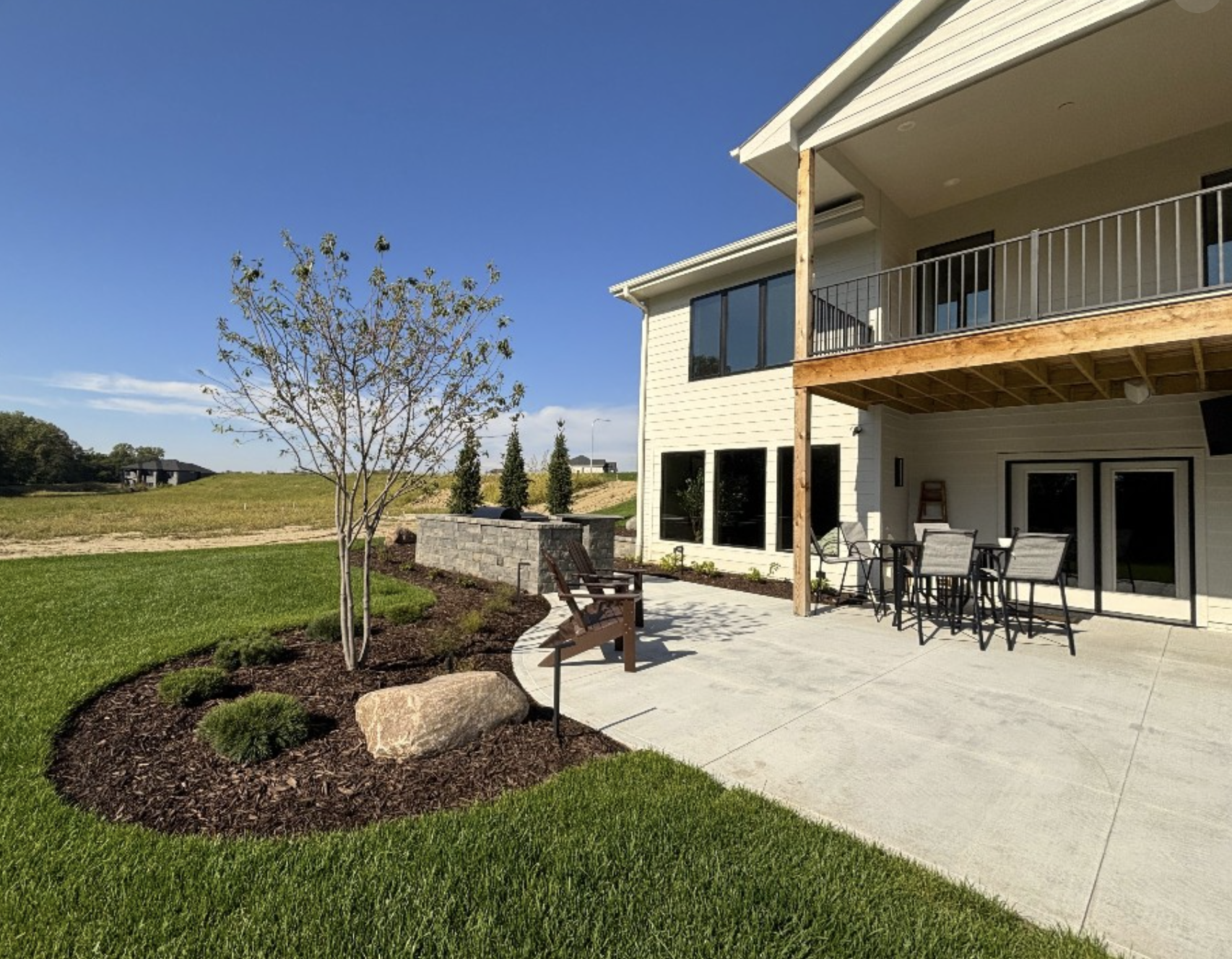
One of the easiest ways to reduce landscape maintenance is to choose plants suited to both Nebraska’s climate and the specific conditions in your yard.
Before planting, consider how much sunlight the area receives, how well the soil drains and how much space the plant will have once it reaches maturity. A shrub that looks small at the garden center may need significantly more room within a few years.
Native and regionally adapted plants are often excellent choices because they can better tolerate local temperature swings and weather conditions. Black-eyed Susans, Purple Coneflowers and ornamental grasses are just a few options that can add color and texture without requiring constant attention.
Give Your Lawn What It Needs
A healthy lawn is often better at crowding out weeds and recovering from weather stress.
One of the simplest things you can do is avoid mowing your grass too short. For many of Nebraska’s cool-season lawns, maintaining a height of approximately 2.5 to 3 inches helps shade the soil and encourages stronger roots.
Seasonal fertilization can replenish nutrients, while aeration and overseeding can help improve thin or compacted areas. Weed control is also most effective when addressed early, before unwanted plants have an opportunity to spread.
Refresh Your Mulch, But Don’t Overdo It
Mulch does more than make landscape beds look finished. It helps conserve moisture, moderate soil temperatures and reduce weed growth.
A layer approximately 2 to 3 inches deep is usually enough. Too much mulch can hold excess moisture around plants and limit airflow.
Avoid piling mulch against tree trunks or directly around the stems of shrubs and perennials. Leave a little breathing room around the base to reduce the risk of rot, disease and pest problems.
Prune With a Purpose
Regular pruning can improve the health, appearance and structure of trees and shrubs, but more pruning isn’t always better.
Start by removing dead, damaged or diseased branches. Beyond that, pruning should be based on the type of plant and its growth habits. Timing matters as well. While many plants can be pruned during dormancy, spring-flowering shrubs may need to be pruned after they bloom to avoid removing the next round of flowers.
When in doubt, identify the plant before reaching for the pruners.
Pay Attention to Small Problems
Many landscape issues are easier and less expensive to correct when they’re caught early.
Walk through your yard regularly and look for changes. Brown patches in the lawn, thinning plants, unusual leaf discoloration, insect damage or broken irrigation heads can all signal that something needs attention.
Trees deserve special attention, too. Dead branches, trunk damage or changes in the canopy may indicate a problem that should be evaluated before it becomes more serious.
Prepare for the Next Season
Good landscape maintenance is always looking a few months ahead.
In spring, that might mean cleaning beds, checking irrigation and controlling weeds. Summer is about maintaining adequate moisture and watching for heat stress. Fall is an important time for lawn care, cleanup and preparing plants for colder weather.
Before winter arrives, continue watering trees and shrubs when conditions are dry, particularly newer plantings. Cleaning up excessive leaves and debris can also help prevent lawn and plant problems over the winter.
A Little Maintenance Goes a Long Way
The goal of landscape maintenance isn’t to spend every weekend working in the yard. It’s to give your lawn, trees and plants what they need at the right time so they can stay healthier with less intervention.
A well-maintained landscape protects the investment you’ve made in your property while creating an outdoor space you can enjoy throughout the year.
Need some help keeping up with your landscape? Priority Landscape can take the work off your plate with professional landscape maintenance tailored to your property. Contact our team to learn more about keeping your outdoor space healthy and looking its best.